
- Address: No 331,Pollachi Main Road,Sai Nagar, SIDCO Post, Coimbatore, Tamil Nadu 641021
- ISO 9001:2008 Certified Company

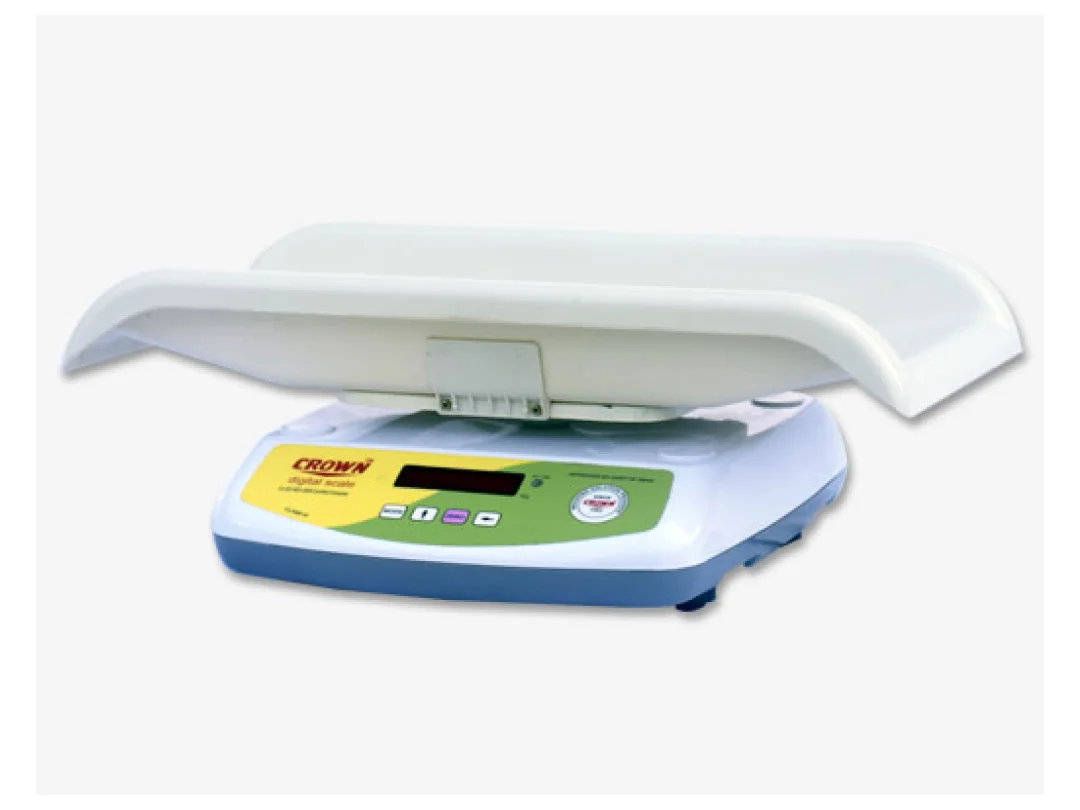
A weighing machine is more than a tool for checking weight. For many businesses, it is part of a sale or purchase. Shops, factories, warehouses, markets, and other businesses use weighing machines every day.
When money depends on weight, the reading must be correct. This is why Legal Metrology weighing machine rules matter. These rules help ensure fair measurements and protect both businesses and customers.
If your business uses a weighing machine for trade, know the basic rules. This can help you avoid errors and compliance issues.
Legal Metrology deals with weights, measurements, and the machines used to measure them.
In India, the Legal Metrology Act, 2009 is the main law in this area. The Department of Consumer Affairs says the system aims to ensure accuracy. It also helps build public trust in weights and measurements.
The rules cover many types of weighing instruments. These include electronic weighing machines, platform scales, and weighbridges.
The basic aim is simple. A machine used for trade should give a correct and reliable reading.
Yes. Weighing machines used for trade must be verified. They must also be stamped under the applicable Legal Metrology rules.
The machine is checked against the required standards. If it passes the test, it is stamped by the Legal Metrology authority. Instruments are also subject to re-verification at the required intervals.
This process helps confirm that the machine is fit for its intended use.
Businesses should keep track of the verification status of each machine. Using an instrument without the required verification can create compliance issues.
A stamp shows that the weighing instrument was checked. It confirms that the instrument meets the required standards.
This is important when the weight shown by the machine affects the price of a product. For example, a shop may sell rice, grains, vegetables, or other goods by weight.
Even a small error can affect several transactions. A properly verified machine helps reduce this risk.
The Legal Metrology rules also cover testing and verification. They also set rules for stamping weights and measures.
Legal Metrology rules cover many weighing instruments used in trade and industry.
Common examples include:
The exact requirements can depend on the type of machine and how it is used.
Crown Scales offers Digital Platform Weighing Scales. These scales are made for commercial and industrial use. The company lists applications such as warehouses, logistics, factories, and market yards.
Before buying a machine, check its capacity, accuracy, application, and compliance needs.
Price should not be the only factor when choosing a weighing machine.
First, decide where the machine will be used. A small shop may need a different scale from a factory or warehouse.
Next, check the required weighing capacity. The machine should handle the expected load without regular overloading.
Accuracy is also important. A machine that gives unstable readings can cause errors in daily work.
For heavier loads, a Heavy Duty Platform Scale may be more suitable. Crown Scales lists these machines for commercial and industrial applications. They are also used in factories, warehouses, and godowns.
Also ask about calibration, service, maintenance, and the documents supplied with the machine.
A new machine should not be selected only on appearance or price.
The Legal Metrology framework has model approval rules. These rules apply to some weighing instruments. They also apply to measuring instruments made or imported in India.
This makes it important to buy equipment from a reliable supplier.
Businesses should also make sure that the machine is suitable for the way it will be used. A machine used for internal checks may have different rules. A machine used to charge customers may have stricter requirements.
Installation can also matter for some weighing instruments.
The Department of Consumer Affairs requires verification. Some highly accurate weighing machines must also be stamped. This must be done at the installation site before the machines are used.
This is especially important for large or specialised weighing systems.
The installation area should be suitable for the machine. The floor should be stable. The machine should also be protected from conditions that may affect its readings.
Businesses can follow a few simple steps:
Choose the right machine
Make sure its capacity and accuracy match your work.
Check verification
Confirm that the required verification and stamping have been completed.
Track re-verification
Keep a record of when the next check is due.
Maintain the machine
Keep it clean and in good working condition.
Train staff
Operators should know how to use the machine correctly and avoid overloading it.
Keep records
Store important certificates and service documents safely.
These simple steps can make weighing operations easier to manage.
Yes. Businesses should not rely only on old information.
The Department of Consumer Affairs continues to update the Legal Metrology rules. Its current legal metrology page lists several amendments made in 2025 and 2026.
Businesses should check the latest official requirements. This is important when buying new equipment or reviewing compliance.
Following Legal Metrology weighing machine rules helps businesses maintain accurate and fair measurements.
Verification, stamping, correct installation, and proper use are important. Timely re-verification is also needed. The exact rules may depend on the machine and its use.
Before buying, compare the machine’s capacity and accuracy. Also check its use, service support, and compliance needs.
For specialised uses, businesses can explore Crown Scales’ Hospital Scale. They can also explore other weighing solutions to find the right equipment.
For the latest legal requirements, check the official guidance. Refer to the Department of Consumer Affairs Legal Metrology guidance.